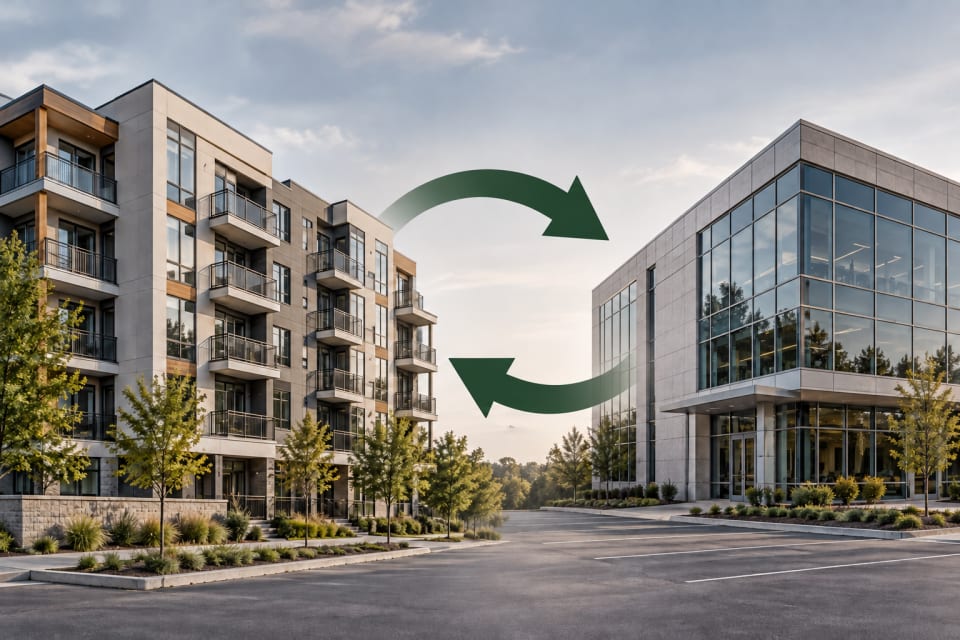


Here is a common question: can a client buy a replacement property first and then sell the relinquished property? At first blush the answer would appear to be no. Treasury regulations that govern delayed, non-simultaneous §1031 exchanges only address the sale of relinquished property before the purchase of replacement property. However, a later revenue procedure did approve a “reverse exchange” structure.
How it works
If the closing on the replacement property must occur before the investor can sell their relinquished property, title to one of the two properties can be “parked” with an exchange accommodation titleholder (EAT) until the relinquished property is sold. The EAT is typically an LLC owned by the qualified intermediary facilitating the exchange. Usually, title to the replacement property is parked.
The EAT can borrow funds from both the investor and other lenders to acquire the property. Once the relinquished property is sold to a third party, the investor can acquire the replacement property from the EAT, and the funds from the sale are used to repay the funds borrowed to purchase it.
The EAT leases the parked property to the investor, so the investor bears all responsibility for the cost of maintaining the property and can also earn any rental income from subleasing to tenants.
Deadlines
The same deadlines as a forward exchange apply to a reverse exchange, except that the relinquished property must be identified within 45 days from the acquisition of the replacement property, and the sale must close within 180 days.
Reverse exchanges are complex. For a more detailed explanation, see our article Understanding Reverse Exchanges.