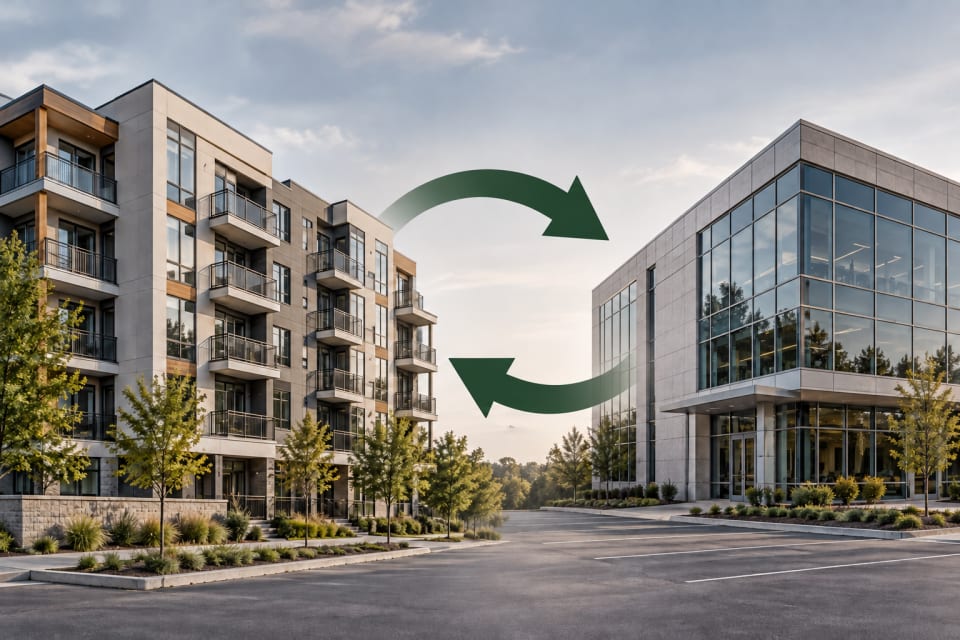

Can an investor improve a replacement property using proceeds from a §1031 exchange without paying capital gains tax on them? The simple answer is yes. A construction exchange is a valuable tool, allowing investors both to save taxes and to modify their replacement property to better suit their investment objectives.
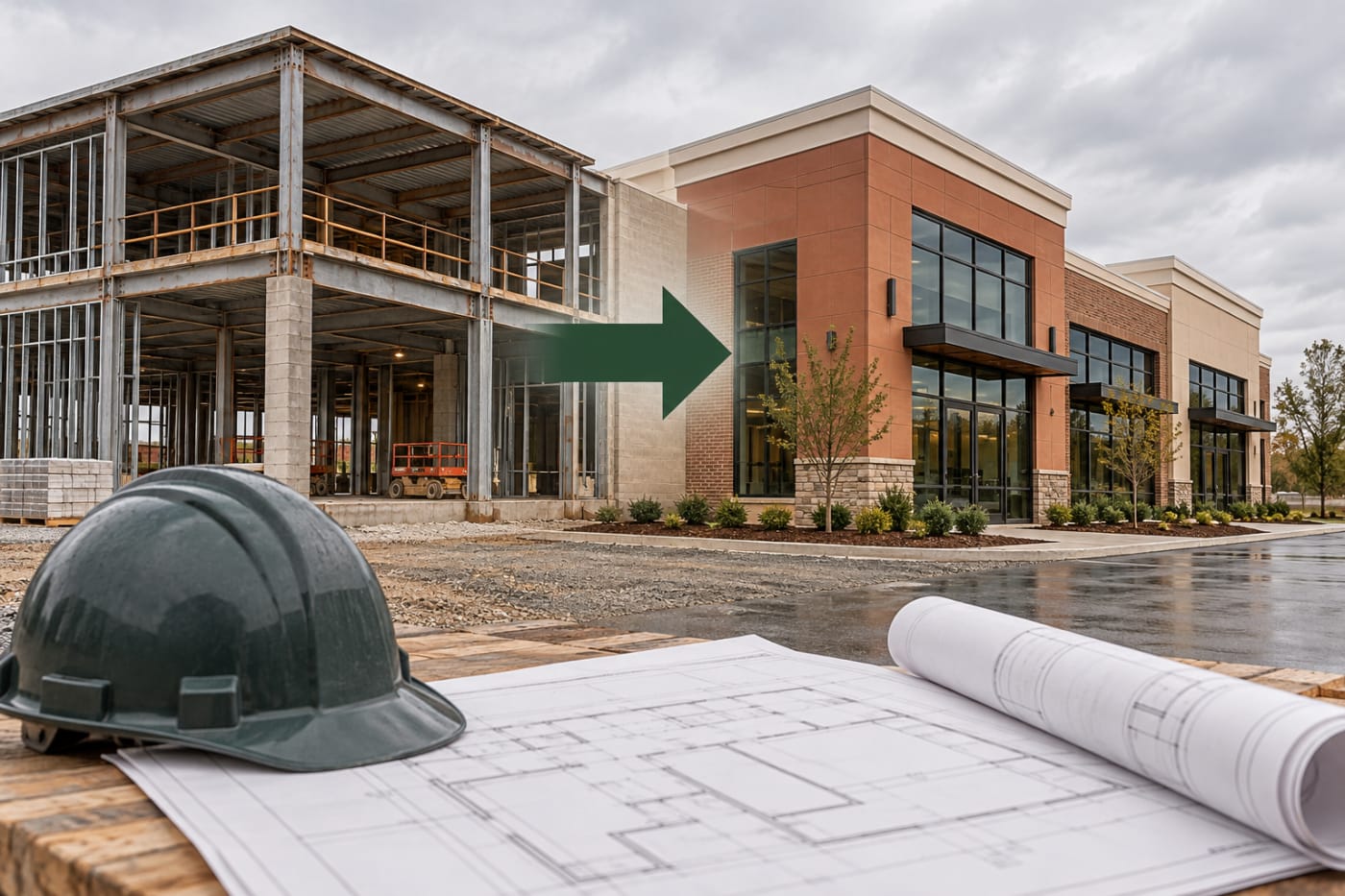
A construction exchange (also known as an “improvement exchange”) allows the property owner to use the proceeds from the sale of the relinquished property to buy a replacement property and either build a new structure on it or renovate an existing building. While the structure is more complex than a forward exchange, it can be worthwhile in certain situations.
How it works
As in a reverse exchange, title to the replacement property is “parked” with an exchange accommodation titleholder (EAT), usually an LLC solely owned by the qualified intermediary facilitating the exchange.
At the time of the acquisition, the EAT can enter into a construction agreement with the investor. The investor can then make improvements during the balance of the exchange period, using a portion of the sale proceeds from the relinquished property to pay for the construction. Once the work is completed, or the exchange period is about to expire, the EAT transfers the property to the investor at its improved value.
For example, if an investor sells a property for $1 million, they need to acquire replacement property worth at least $1 million to fully defer their capital gain taxes. Suppose they find an ideal property priced at only $700,000 that needs renovations such as a new roof and windows and repaving the parking lot. In a properly structured improvement exchange, the EAT would acquire title from the seller using a portion of the sale proceeds. During the balance of the exchange period, the EAT would use the remaining proceeds to make the needed renovations. If the capital improvements cost at least $300,000, the investor would be able to fully defer the taxes on the capital gain.
Limitations
The exchange period is a maximum of 180 days, so there is not much time to complete the work. An improvement exchange is therefore usually easier to accomplish with the rehabilitation of an existing structure than with construction of a new structure on vacant land.
Exchange funds may not be used to make improvements to a property previously owned by the investor, and it is not sufficient to simply purchase supplies during the exchange period. The work must be 100% completed, and progress of the construction should be documented. It is also critical that both the replacement property and the planned improvements be identified during the 45-day identification period. Finally, the construction or improvements must be capital improvements as opposed to routine maintenance and repairs.
A construction exchange is a complex tax-deferred strategy. It is important to get legal, financial and tax advice from qualified professionals before entering into one.